Twórz kinowe filmy z opowieściami za pomocą Wan AI
Zmień rytm historii w kinowy film Wan dzięki motywowanym ruchom kamery, stabilnej ciągłości, wielowarstwowej atmosferze, wskazówkom dźwiękowym i edytowalnemu zakończeniu.
Wstępna wizualizacja opowieściPrzejścia atmosferyczneMomenty kierowane przez charakter
Kieruj zmianą historii, nie tylko stylu wizualnego
Podpowiedź filmowa potrzebuje wydarzenia skierowanego do widza: postać decyduje, odkrywa, gubi, ucieka lub coś osiąga. Obiektyw i oświetlenie powinny wspierać tę zmianę.
Napisz jeden dramatyczny rytm na pokolenie
Nadaj ruchowi kamery powód narracyjny
Nazwij końcową emocję i kompozycję
02 · Zasada przepływu pracy
Przenieś kotwice ciągłości przez strzał
Powtórz postać, garderobę, ważny rekwizyt, porę dnia i kierunek światła, który nie może dryfować. Jeśli sam opis nie wystarczy, użyj obrazu lub źródła referencyjnego.
Zachowaj czytelność geometrii środowiska
Ogranicz niepowiązane obiekty i znaki tła
Przejrzyj zakończenie jako decyzję redakcyjną
Przykłady wizualne
Trzy różne sposoby zastosowania tego przepływu pracy
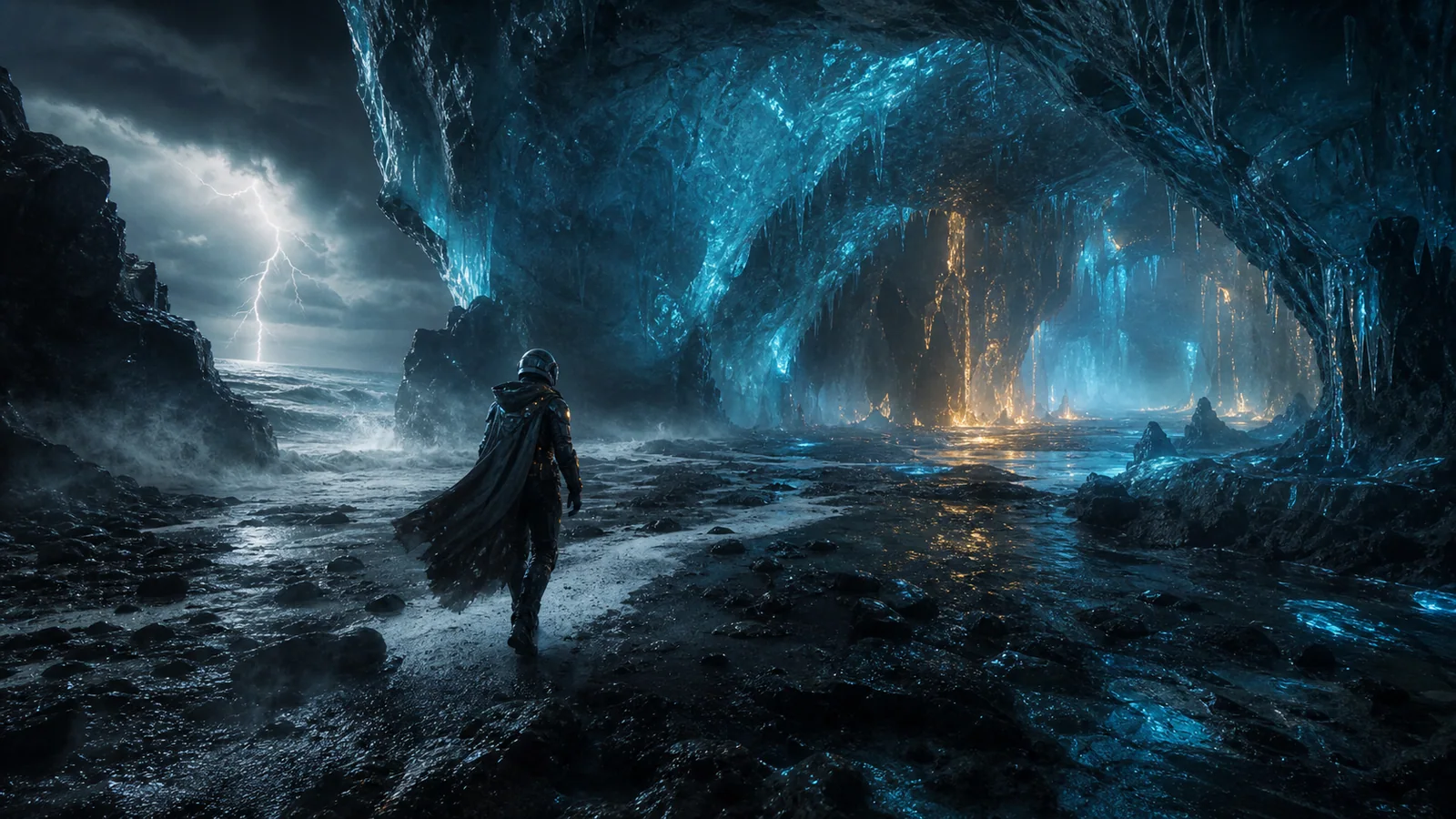
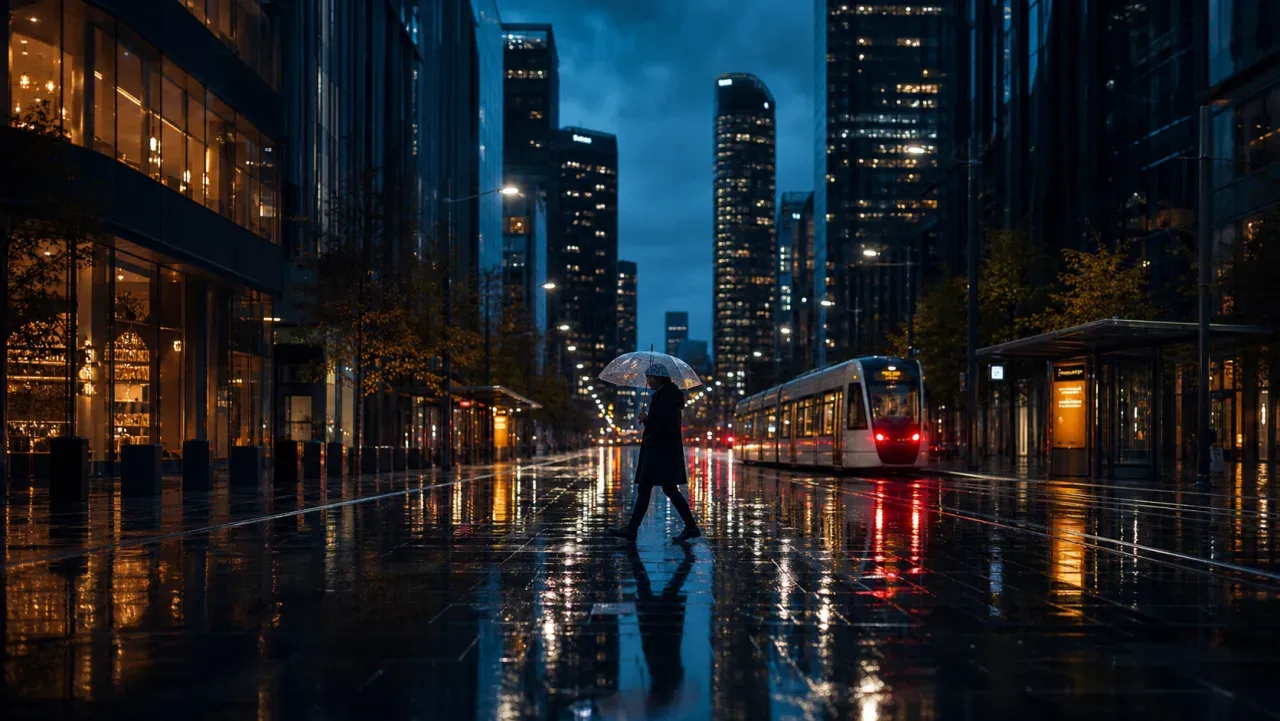
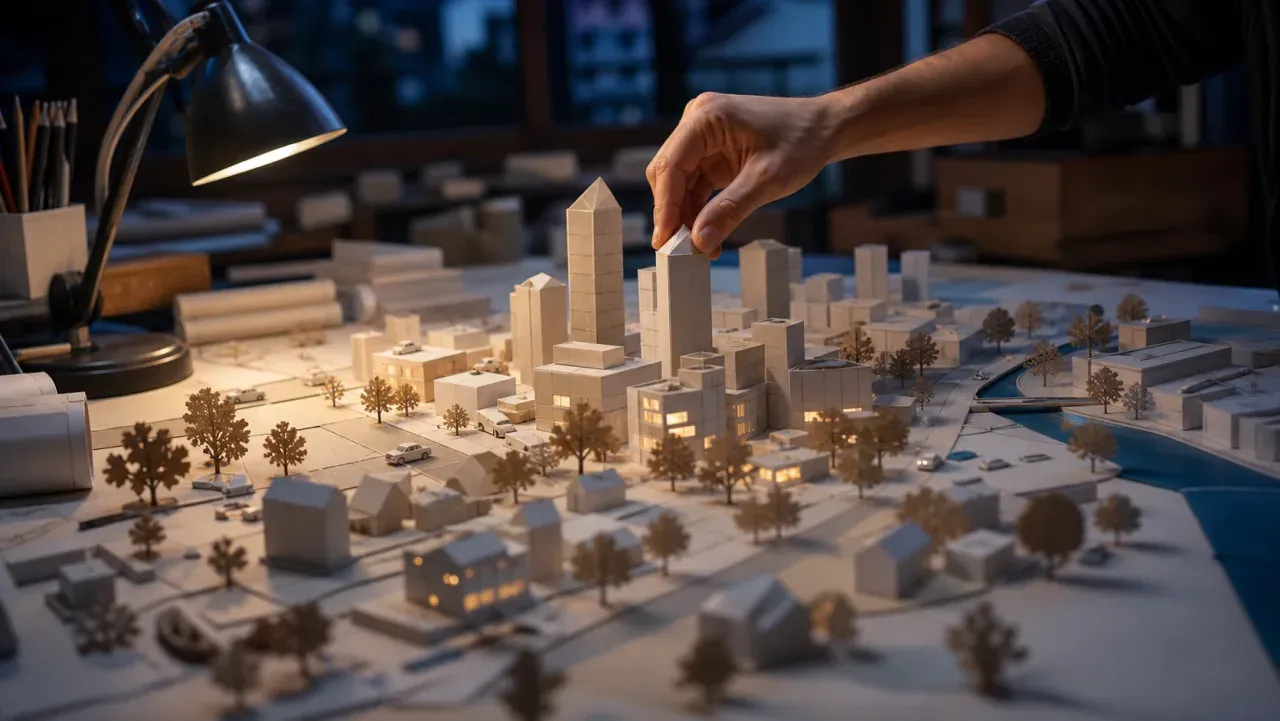
Ścieżka motywowana łączy dwa stany narracyjne.Kamera, światło i otoczenie wspierają jeden dramatyczny rytm.Przetestuj zmianę historii przed zbudowaniem dłuższej sekwencji.
Szybkie startery produkcyjne
Zacznij od konkretnego, a następnie zmieniaj jedną zmienną na raz
Zadbaj o spójność tematu, akcji, kamery, światła, dźwięku i zakończenia. Pola w nawiasach to zmienne, które należy zastąpić.
01
Moment odkrycia
Kinowe średnioszerokokątne ujęcie [postaci] wchodzącej do [miejsca]. Zauważają [odkrycie] i zatrzymują się. Powolna kamera śledząca staje się powściągliwym, praktycznym światłem zmotywowanym, ujawniającym obiekt, warstwowym tonem pomieszczenia, utrzymującym reakcję postaci. Jeden ciągły strzał.
[Postać] przekracza [środowisko], podczas gdy [pojedyncze zagrożenie] się zbliża. Niski strzał śledzący z realistyczną wagą i kontaktem, spójna garderoba i położenie geograficzne, jeden dźwięk uderzenia w [wydarzenie], zasięg [bezpieczny punkt końcowy], kamera stabilizuje się i trzyma.
Powolny most filmowy przez [lokalizacja] o [czas]. Pierwszy plan [element] odsłania głębsze warstwy, gdy kamera podąża do przodu. Pogoda zmienia się subtelnie, dźwięk otoczenia pozostaje przestrzenny, bez postaci, kończy się na [motywie wizualnym] pasującym do następnej sceny.
Użyj motywu, aby zmotywować powiązanie redakcyjne.
Przejście z dostarczonej sceny początkowej do dostarczonej sceny końcowej, zachowując [postać/obiekt]. Zmiana następuje poprzez [wydarzenie motywowane]. Kamera podąża jedną ciągłą ścieżką, utrzymuje kierunek i skalę, a następnie po jednosekundowym przytrzymaniu kończy dokładnie na końcowej kompozycji.
Użyj kompatybilnych punktów końcowych, aby uzyskać czystszy most.
Wyraźne dramatyczne wydarzenie, motywowany ruch kamery, kontrolowane światło, przestrzenny dźwięk, kotwice ciągłości i przemyślane zakończenie liczą się bardziej niż zestawienie przymiotników stylistycznych.
Czy powinienem poprosić Wana o cały film krótkometrażowy za jednym razem?
Zacznij od jednej historii na pokolenie. Stwórz dłuższą edycję na podstawie ujęć z wyraźnymi kompozycjami początkowymi i końcowymi, a następnie sprawdź ciągłość w całej sekwencji.
Kiedy powinienem używać pierwszej i ostatniej klatki?
Używaj ich, gdy ujęcie musi zaczynać się i kończyć na zatwierdzonych kompozycjach, łączyć dwie sceny lub zachować zaplanowane przejście montażowe.